30 Sep 2026
The Role of Prize Allocation Mechanics in Determining Engagement Levels During Promotional Campaigns
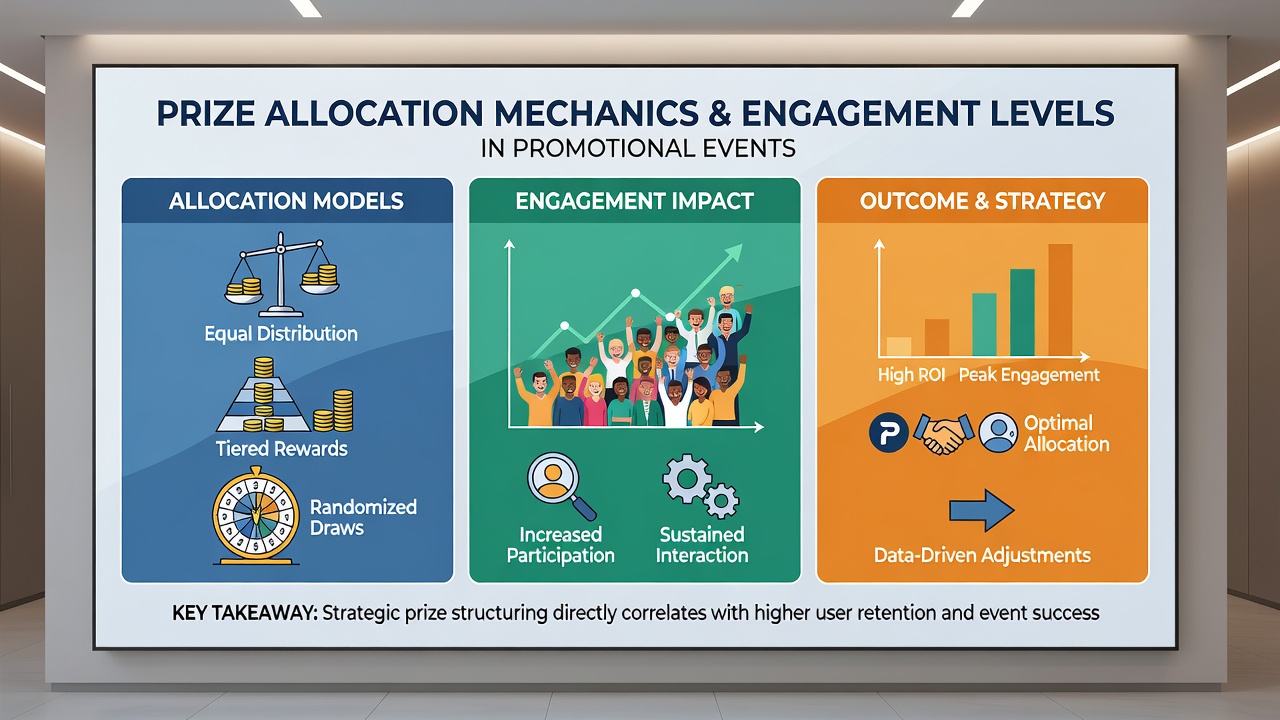
Promotional events rely on structured prize allocation to draw participants, and researchers have tracked how different distribution models correlate with measurable changes in entry volumes and repeat interactions. Data from industry reports indicate that campaigns featuring multiple prize tiers sustain higher engagement rates than single-prize formats across comparable time frames. Observers note that allocation mechanics encompass the number of winners selected, the value distribution across tiers, the mix of cash versus goods, and the timing of prize announcements.
Core Components of Prize Allocation Systems
Allocation systems begin with decisions on total prize pools and their division into categories; studies show that campaigns allocating 60 percent of the pool to top prizes while reserving 40 percent for secondary and tertiary awards produce broader participation curves. Those who've examined entry logs find that adding consolation prizes below the main tiers lifts overall submission counts by encouraging entrants who perceive lower barriers to reward. Timing also matters, since staggered announcements throughout an event window maintain visibility and prompt additional entries as participants check results at regular intervals.
Measured Effects on Participation Metrics
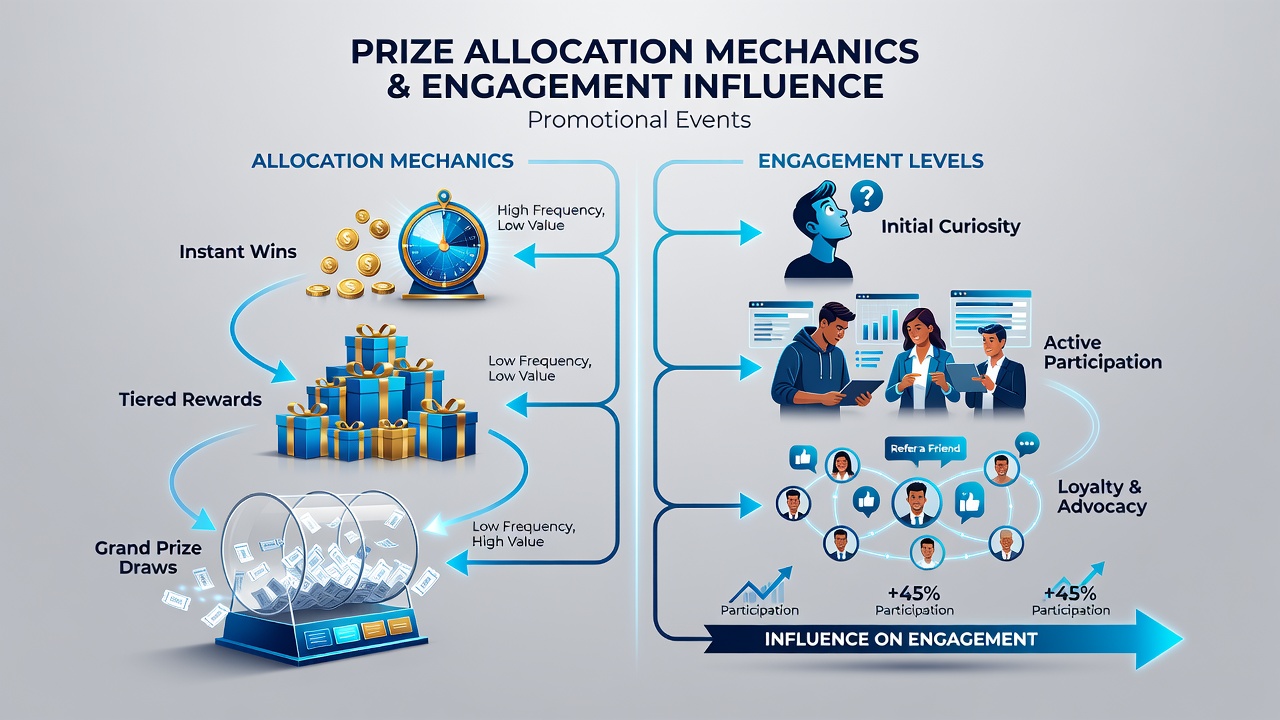
Quantitative analyses reveal that tiered structures increase average entries per participant when compared with flat prize models, because individuals continue submitting to improve their odds of landing higher-value outcomes. Figures compiled by marketing analytics firms demonstrate that events offering both instant-win micro-prizes and grand-prize drawings at the close maintain daily engagement spikes, whereas single-draw formats experience steeper drop-offs after the first week. Researchers discovered that geographic distribution of prizes, such as regional winner selections, correlates with localized upticks in entries from those areas, suggesting that perceived accessibility influences behavior.
Comparative Data Across Event Types
Campaigns run through retail partnerships exhibit different patterns than those hosted solely on digital platforms. Retail-linked promotions that allocate prizes via in-store redemptions show elevated foot traffic alongside online entries, while purely digital formats rely more heavily on email and social reminders to sustain momentum. One study revealed that experiential prizes, including travel packages, generate extended social sharing cycles that extend the effective reach beyond the original participant base. Data indicates these secondary effects amplify when allocation rules allow winners to select from a menu of experiences rather than receiving a pre-set itinerary.
Regulatory and Industry Context Entering September 2026
As September 2026 approaches, regulatory bodies in multiple jurisdictions continue to refine disclosure requirements around prize values and odds. The Australian Competition and Consumer Commission has issued updated guidance on advertising prize availability, requiring clearer statements about the number of prizes per category. Similar updates from Canadian provincial regulators emphasize transparency in allocation percentages, prompting organizers to adjust communication strategies. Industry associations such as the Promotion Marketing Association of Canada have published comparative benchmarks showing that transparent allocation details correlate wth higher trust scores and sustained entry rates across multi-week events.
Allocation Variables Under Active Review
Current examinations focus on the balance between random selection and skill-based qualifiers within the same event. Programs that combine both elements report differentiated engagement patterns, with skill components driving repeat visits while random draws attract one-time participants. Allocation frequency also receives attention; daily micro-draws versus weekly consolidations produce distinct traffic signatures according to platform analytics. Those who've studied these patterns observe that hybrid schedules, blending both frequencies, stabilize participation across longer campaign durations.
Conclusion
Prize allocation mechanics continue to serve as central levers for shaping engagement in promotional events, with documented relationships between tier design, announcement cadence, and measurable participation metrics. Data from regulatory updates and industry benchmarks entering September 2026 underscore the ongoing refinement of these systems to meet transparency standards while supporting sustained interaction levels.