14 Oct 2026
Mobile Integration Evolutions Reshaping Contest Participation Rates Worldwide
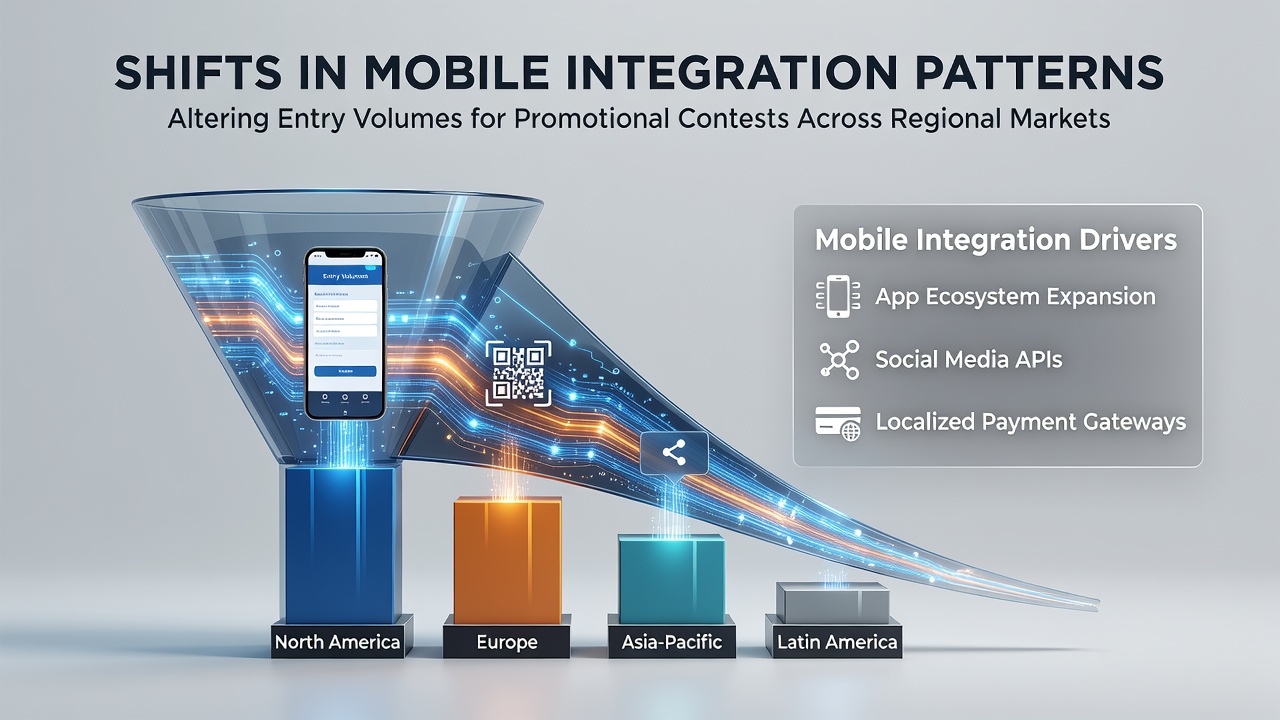
Regional markets have experienced notable changes in how promotional contests attract participants through evolving mobile integration methods, with data showing distinct shifts in entry volumes tied to smartphone adoption rates and platform preferences. Studies from multiple continents indicate that seamless app-based entries and SMS integrations now account for larger portions of total submissions compared to web forms alone, while geographic differences in device usage continue to influence overall participation numbers.
Regional Variations in Mobile Entry Mechanisms
North American markets demonstrate higher reliance on in-app entry systems integrated with popular social platforms, whereas European regions show stronger uptake of QR code scanning tied to localized mobile networks. Data collected through 2025 and into October 2026 reveals that contest organizers in Canada and Australia report up to 35 percent increases in entries when mobile-first designs replace traditional email submissions. Those who track these patterns note that carrier-specific SMS gateways in parts of Asia enable faster verification steps, which in turn boosts completion rates for time-sensitive promotions.
Observers point to differences in broadband infrastructure as a key driver behind these trends, with urban centers in South America favoring hybrid approaches that combine push notifications and browser-based forms. Research indicates mobile integration patterns vary not only by country but also within provinces and states, where regulatory requirements for age verification add extra layers to the entry process. Figures from industry reports highlight how these adaptations alter the volume of successful submissions across borders.
Impact of App Ecosystems on Submission Volumes
App store policies and device operating systems play direct roles in determining how many users complete contest entries, since updates to permission settings can either streamline or complicate data collection steps. In markets where iOS and Android dominate unevenly, organizers adjust their integration strategies accordingly, leading to measurable differences in daily entry tallies. Evidence from longitudinal tracking shows that contests incorporating deep links from messaging apps experience steadier participation curves, particularly during peak evening hours in multiple time zones.
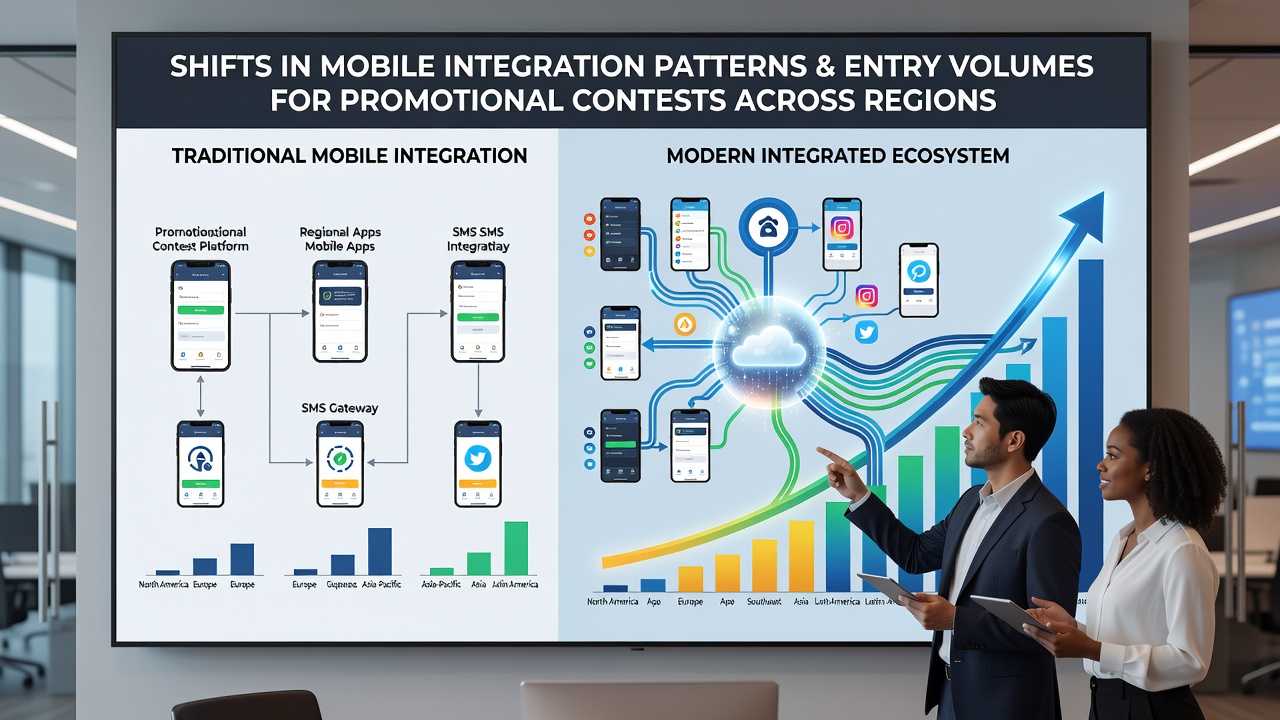
Academic analyses of user behavior demonstrate that friction introduced by multi-factor authentication on mobile devices reduces abandonment rates when implemented correctly, yet the same safeguards can deter entries in regions with lower digital literacy. One study revealed that promotional campaigns using progressive web apps maintained higher volumes across both developed and emerging markets because they bypass certain store approval delays. Those who've examined the data emphasize that timing of integration updates often coincides with seasonal spikes in contest activity.
Data Patterns and External Influences
According to reports compiled by the Australian Communications and Media Authority, mobile-driven entries in promotional contests rose consistently through late 2026, reflecting broader shifts in consumer device preferences. Similar findings from the European Commission's consumer research units show parallel growth in regions with strong data protection frameworks that still permit streamlined mobile submissions. These sources document how integration with location services and contact lists can increase repeat participation when users perceive added convenience without excessive data requests.
Trade associations representing mobile marketers have compiled statistics indicating that cross-platform compatibility issues continue to suppress volumes in certain African and Middle Eastern markets, where device fragmentation remains higher. Contest administrators respond by offering fallback options such as USSD codes alongside app-based methods, which helps stabilize entry numbers. Patterns observed in October 2026 further illustrate that campaigns aligned with major sporting events or holidays see amplified effects from these mobile adaptations.
Conclusion
Shifts in mobile integration patterns continue to reshape entry volumes for promotional contests in ways that differ markedly across regional markets, driven by infrastructure, device ecosystems, and regulatory environments. Data from government agencies and research institutions shows these changes produce measurable outcomes in participation rates, with some areas gaining from app-centric approaches while others rely on simpler SMS or web alternatives. Ongoing monitoring of these trends provides clearer pictures of how future technological updates may further influence contest accessibility and submission totals worldwide.