16 Sep 2026
Evolving Oversight Frameworks and Participation Statistics in Promotional Contests
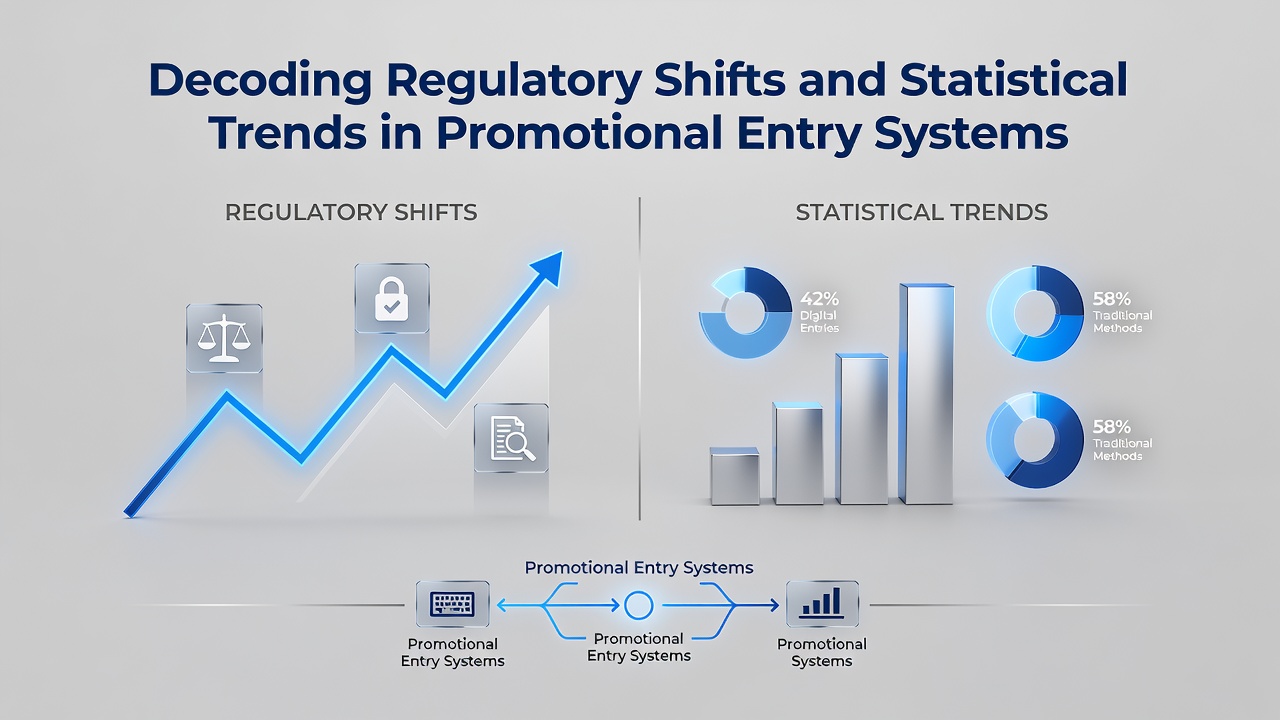
Regulatory bodies across multiple jurisdictions continue to refine their approaches to promotional entry systems, and these adjustments often address consumer safeguards, disclosure requirements, and operational standards that govern how contests and giveaways function in practice. Data collected from industry reports and government filings indicate measurable changes in participation rates, prize distribution patterns, and compliance metrics that shape how organizations structure their programs.
Policy Adjustments Across Regions
Authorities in the United States have updated guidelines through the Federal Trade Commission, with further clarifications expected to take effect in September 2026 that emphasize clearer disclosure of entry methods and odds calculations. Similar reviews appear in Canadian provincial frameworks and Australian consumer protection statutes, where agencies focus on standardizing rules around free versus paid entry options. Observers note that these coordinated efforts aim to reduce ambiguity for both operators and participants, while researchers at academic institutions track how such changes influence overall market behavior.
European Commission directives have introduced additional layers of scrutiny on data handling within promotional systems, requiring explicit consent protocols that affect how personal information gets collected during entry processes. Trade associations representing gaming and marketing sectors have published compliance guides that translate these directives into actionable steps for companies operating across borders.
Statistical Patterns in Participation and Outcomes
Industry datasets reveal that digital entry methods now account for the majority of submissions in many markets, with mobile platforms showing consistent growth year over year according to aggregated figures from research firms. Prize claim rates have fluctuated in response to new verification requirements, and analysts point to higher completion percentages when operators implement streamlined identity checks that comply with updated regulations.
One study from a North American research center examined entry volume trends across several large-scale promotions and found correlations between simplified rules and increased repeat participation. Figures released by consumer advocacy groups further indicate that regions with stricter advertising standards experience different demographic distributions among entrants compared to areas with more flexible disclosure norms.
Impact on Operational Practices
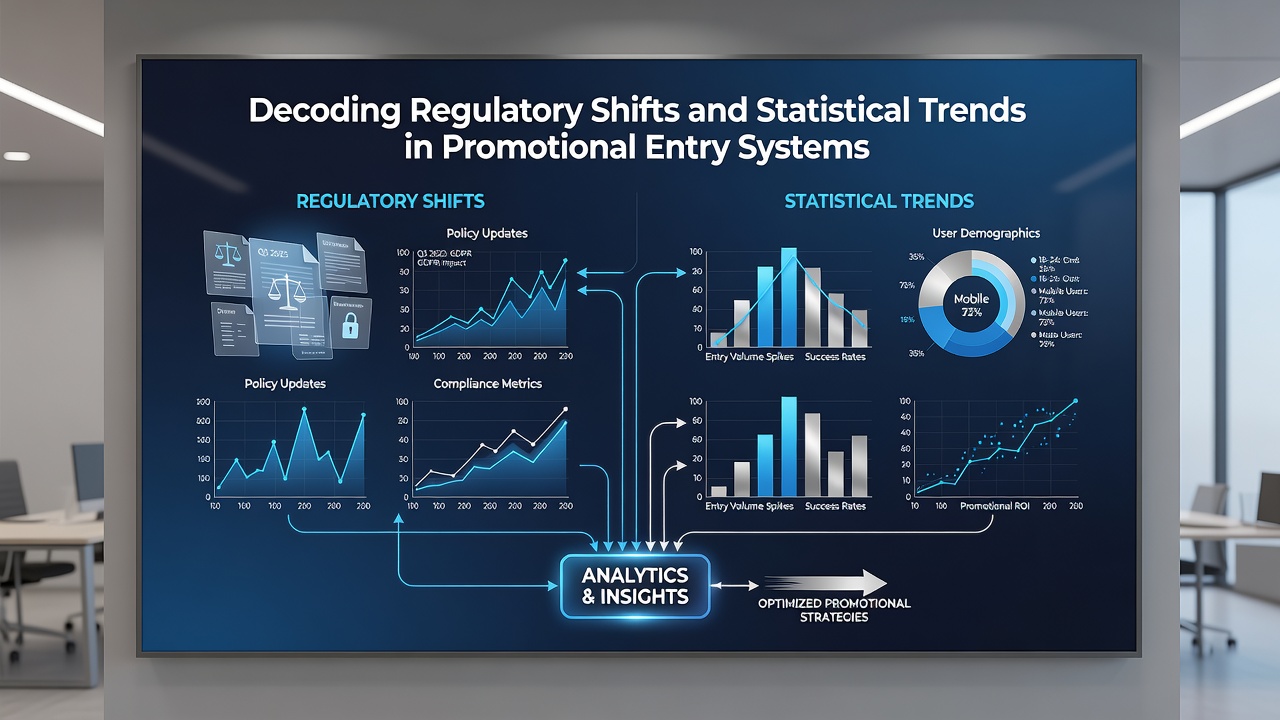
Companies managing promotional campaigns have adapted their systems to incorporate automated compliance checks that align with evolving standards, and these modifications often involve updates to software platforms that handle entry validation and winner selection. Trade publications document how organizations now allocate greater resources to legal review processes before launch, resulting in longer planning cycles but fewer post-campaign adjustments.
Statistical evidence from regulatory filings shows a decline in enforcement actions in jurisdictions that adopted early guidance on promotional entries, suggesting that proactive alignment with new rules produces measurable benefits. Meanwhile, academic papers continue to analyze longitudinal data on consumer trust levels tied to transparency improvements in these systems.
Future Considerations and Data Tracking
Monitoring efforts by international research networks focus on how artificial intelligence tools might further influence entry processing and fraud detection, with preliminary reports highlighting efficiency gains in high-volume campaigns. Policymakers in multiple regions have signaled ongoing reviews scheduled through 2027, which could introduce additional reporting requirements for operators.
Participation metrics compiled by industry coalitions demonstrate steady interest in promotional activities despite regulatory tightening, and these numbers underscore the resilience of well-structured programs that maintain clear communication with audiences. Continued data collection will likely inform the next round of adjustments as markets adapt to the September 2026 milestones and beyond.
Conclusion
Regulatory shifts and statistical trends in promotional entry systems reflect an interconnected landscape where policy changes drive operational responses and data patterns reveal participant behaviors across diverse markets. Organizations and researchers alike continue to examine these dynamics through ongoing analysis of compliance records, entry volumes, and outcome distributions to better understand the mechanisms at work.