28 Oct 2026
Algorithmic Influences on the Visibility of Online Giveaway Events
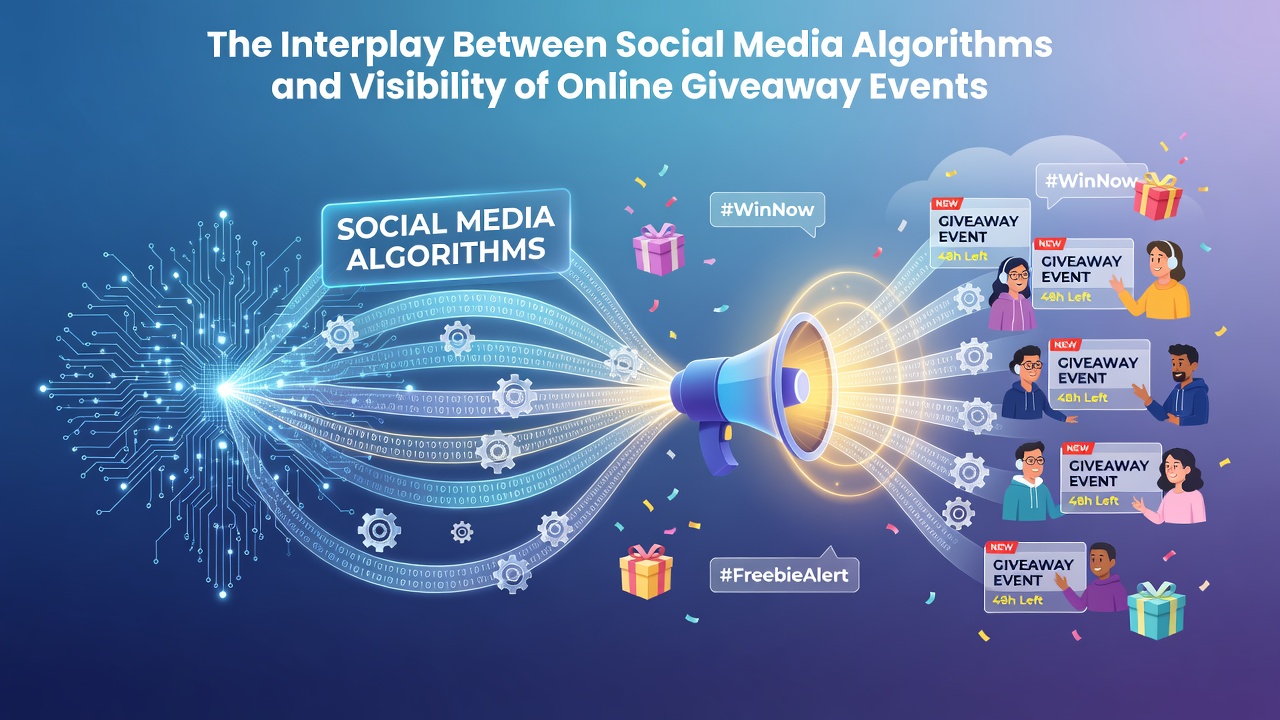
Platform algorithms determine which posts reach users by analyzing engagement signals such as likes, shares, comments, and dwell time while platforms prioritize content that keeps people scrolling longer. Online giveaway events depend on broad distribution to attract participants yet these same systems can limit exposure when posts fail to meet ranking thresholds. Researchers have tracked how minor adjustments in posting timing or format alter reach metrics across major networks and data from industry analyses shows that giveaway promotions often compete directly wth entertainment and news content for algorithmic favor.
Core Mechanisms Driving Content Prioritization
Algorithms evaluate user behavior patterns to rank posts in feeds and they weigh factors including connection strength between accounts, historical interaction rates, and content type preferences. Giveaway events typically feature calls to action that encourage tagging friends or sharing entries which can boost initial traction yet sustained visibility requires consistent engagement loops. Observers note that platforms adjust these models periodically with updates that emphasize video content or real-time interactions and such shifts affect how promotional contests surface in user timelines. Studies from academic institutions indicate that posts incorporating user-generated elements tend to maintain higher placement because they generate authentic responses compared to static announcements.
Regional Variations in Algorithm Application
Different platforms apply distinct weighting systems based on regional regulations and user demographics so giveaway visibility can fluctuate across markets. In North American contexts data indicates heavier emphasis on commercial content disclosures while European frameworks focus on transparency requirements that influence how algorithms classify promotional material. Australian regulatory bodies have published guidelines on digital promotions that intersect with platform policies and these documents highlight the need for clear entry mechanics to avoid reduced distribution. Canadian research institutions have examined similar patterns where localized language and cultural references improve algorithmic performance for contest announcements.
Those who analyze platform data find that cross-border giveaway events face additional hurdles because algorithms segment audiences by location and language which fragments potential reach. One study revealed that campaigns adapting visuals and messaging to specific regions achieved measurable improvements in impressions without altering core prize structures.
Engagement Metrics and Their Feedback Loops
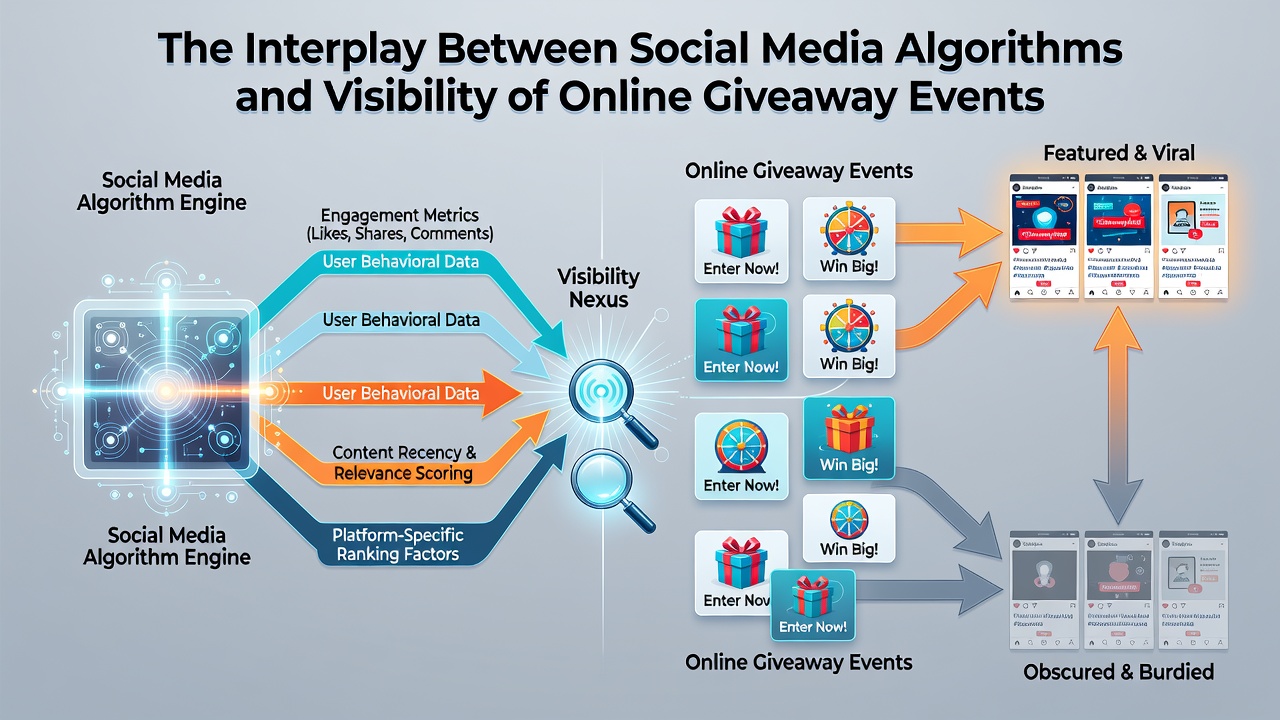
Visibility operates through feedback mechanisms where initial interactions determine subsequent distribution and this creates compounding effects for giveaway events that either accelerate or stall quickly. High comment volumes from participants asking about rules or entry methods signal relevance to algorithms while low response rates lead to rapid deprioritization. Figures from platform transparency reports reveal that video formats often outperform images in these scenarios because they hold attention longer and prompt more replies. Experts tracking October 2026 projections anticipate further integration of live streaming features into ranking criteria which could alter how time-sensitive giveaway deadlines appear in feeds.
But here's the thing: giveaway organizers who monitor real-time analytics can adjust strategies mid-campaign by responding to early engagement dips and such adaptations have been documented in multiple case examples where reach recovered after targeted follow-up posts. Industry organizations report that consistent posting schedules aligned with peak user activity windows correlate with stronger algorithmic performance across networks.
Challenges in Maintaining Consistent Exposure
Shadow restrictions and content moderation filters present ongoing obstacles for giveaway visibility because automated systems sometimes flag repetitive promotional language or high-volume tagging as potential spam. Participants and organizers alike encounter situations where posts disappear from searches or follower feeds despite meeting platform guidelines and recovery depends on appeals processes that vary by service. Data from research papers shows geographic differences in moderation intensity with certain regions experiencing stricter scrutiny during peak promotional seasons.
What's significant is that collaboration between giveaway hosts and platform support teams has yielded documented improvements in reinstatement rates when issues arise from algorithmic misclassifications. External links to authoritative sources such as Federal Trade Commission guidance on promotions and reports from the Australian Communications and Media Authority provide frameworks that help align content with compliance standards while supporting broader distribution.
Conclusion
The interplay between social media algorithms and online giveaway visibility continues to evolve as platforms refine their ranking systems and regulatory environments adapt accordingly. Data indicates that understanding engagement signals, regional policy differences, and technical formats allows for more effective navigation of these dynamics while maintaining compliance. Observers tracking developments through October 2026 and beyond note that ongoing research into algorithmic transparency will likely shape future strategies for promotional contest distribution across digital spaces.